
Keep Your Smile, Long-Term.
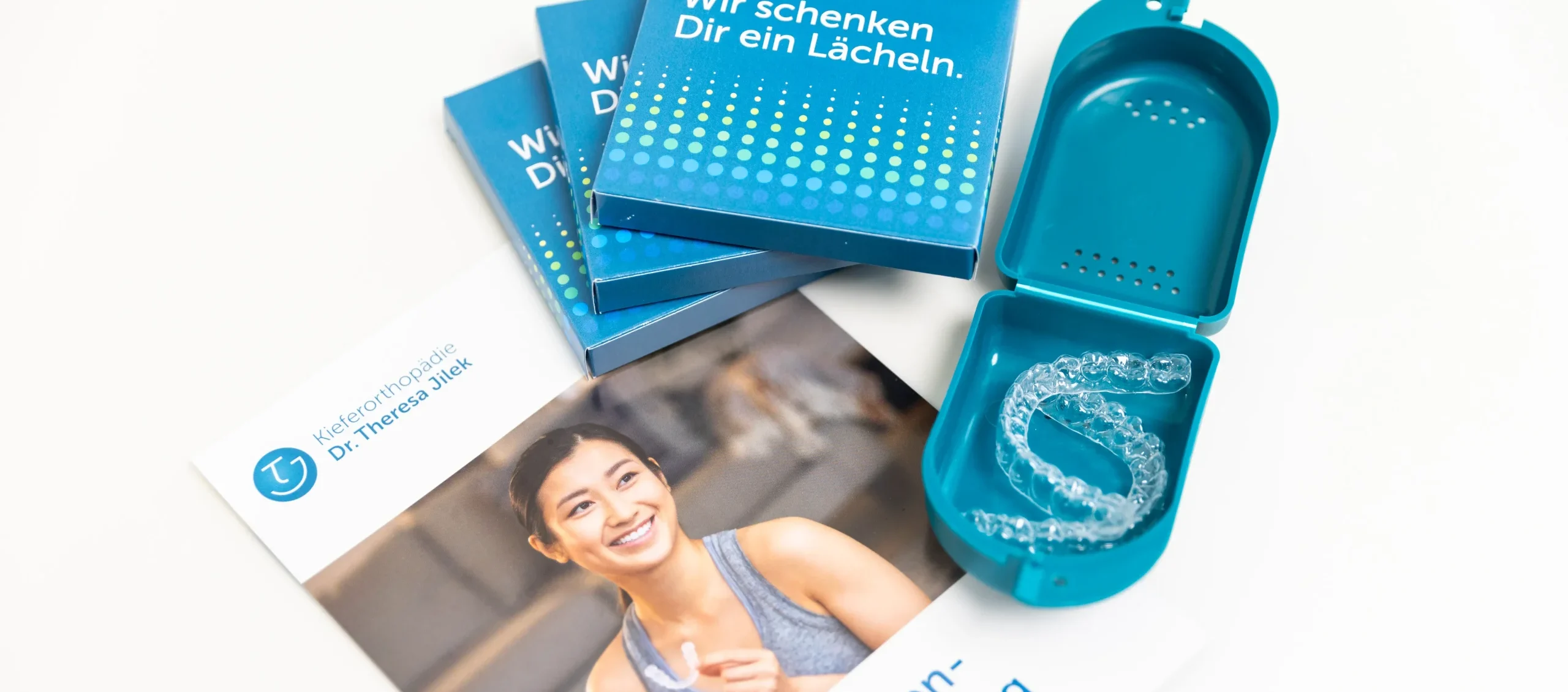
Retainers are the final step in your orthodontic journey—designed to maintain your new smile after treatment ends. They’re custom-made and easy to wear, helping to prevent your teeth from shifting back.

Retainers are removable or fixed appliances that hold your teeth in their new position after orthodontic treatment. They’re typically worn at night or part-time depending on your case.
Five Easy Steps
Your Journey with Retainers


Fitting
We’ll take impressions or digital scans to create your custom retainer.



Initial Wear
You’ll wear it full-time for a few months to lock in your alignment.

Transition to Part-Time
Once stability is confirmed, most patients shift to nighttime-only wear.


Long-Term Maintenance
We’ll schedule occasional check-ins to ensure your retainer still fits properly.


Replacement or Adjustment
If your retainer wears out or doesn’t fit, we’ll help you update it.

Our Features
Why Retainers Matter


Learn More
What Does KFO 360° Actually Mean?
Every smile is different — so is our care. From diagnostics to treatment, we use modern tools and a personal approach to make your orthodontic journey clear, comfortable, and tailored to you. Watch the video to see how we support patients at every step.
The Final Step in Treatment
Retainers are essential after braces or aligners. They make the most sense when you want to keep your smile looking great—long term.

After Any Orthodontic Treatment
Whether you had aligners, braces, or other appliances, retainers keep your results in place.

To Prevent Tooth Movement
Teeth can shift naturally over time—retainers stop that from happening.

For Long-Term Confidence
Protect your new smile for years to come with consistent retainer use.
Bad Bite?
Before & After – Lasting Results
Retainers help keep your smile steady—see how they work over time.
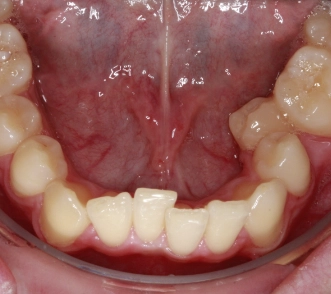
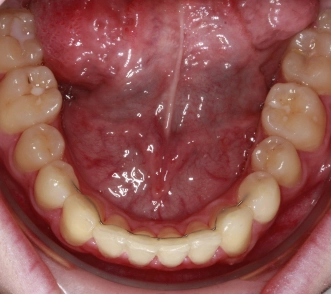
I feel completely secure thanks to my fixed retainer. I know that my teeth can no longer shift and I can barely feel it with my tongue.

Treatment Duration
25 months Komfort
95%
Care Tips for Nonfixed Retainers
-

Rinse After Removal
Keep your retainer clean by rinsing it with lukewarm water every time you take it out.
-

Clean thoroughly
Clean your retainer daily with a hard toothbrush (without toothpaste) to prevent buildup.
-

Intensive Care
If deposits have built up that no longer come off with a toothbrush, give your retainer a deep clean using special retainer/orthodontic cleaning tablets. For clear retainers only use lukewarm water—never hot—as heat can cause them to warp.
-

Store in a Case
Always place your retainer in its case when not in use to prevent loss or damage.
Let’s Keep Your Smile in Place
Book Appointment


Frequently Asked Questions
What is a retainer and why do I need one?
After your teeth have been successfully aligned, they still need time to stabilize in their new positions. A retainer keeps your teeth in place and prevents them from shifting back to where they were before treatment.
Without it, there’s a high chance your teeth could move again — even years later.
What types of retainers are there?
There are two main types of retainers:
– Fixed (bonded) retainer – a thin, custom-made wire that’s permanently attached to the inside of your front teeth. It’s invisible, comfortable, and works 24/7.
– Removable retainer – a clear or acrylic appliance you wear mostly at night. It supports the long-term stability of your teeth after the active phase.
Many patients use a combination of both for maximum stability.
How long do I need to wear my retainer?
A fixed retainer can remain in place for many years (often 10 or more) as long as it’s intact and your dentist checks it regularly.
Removable retainers are worn mostly at night, initially every night, and later just a few times a week.
Your orthodontist will tell you exactly when and how to reduce wearing time — but retention is usually lifelong in some form.
How does the retainer process work after treatment?
Once your active treatment ends, we’ll:
– Take an impression or 3D scan of your teeth,
– Fabricate your individual retainer (fixed and/or removable),
– Check its fit and comfort during delivery, and
– Plan follow-up visits to monitor stability.
How do I take care of my retainer?
For fixed retainers:
– Brush carefully around the wire with an interdental brush or dental floss threader.
– Avoid biting very hard foods (like apples or nuts) directly on the retainer.
For removable retainers:
– Rinse with cold or lukewarm water after each use.
– Clean daily with a soft toothbrush and mild soap or a cleaning tablet.
– Store in the box provided when not in use.
How often should my retainer be checked?
We recommend a check-up once or twice per year.
If you notice the retainer feels loose, a tooth has shifted, or the wire feels sharp, please book a visit right away.
Early correction prevents larger movements and keeps your smile stable.
What if my fixed retainer comes loose or breaks?
If part of the wire detaches or bends, avoid pulling on it or trying to fix it yourself. Please contact us quickly — we’ll reattach or replace it.
Continuing to wear a broken retainer can lead to unwanted tooth movement.


