
Reliable. Time-Tested. Clearly Effective.
Fixed braces (multi-bracket appliance) are the gold standard in orthodontics — trusted for generations. Whether you choose metal or ceramic brackets, they gently move teeth into place with precision. Ideal for teens, adults, and anyone with more complex alignment needs.

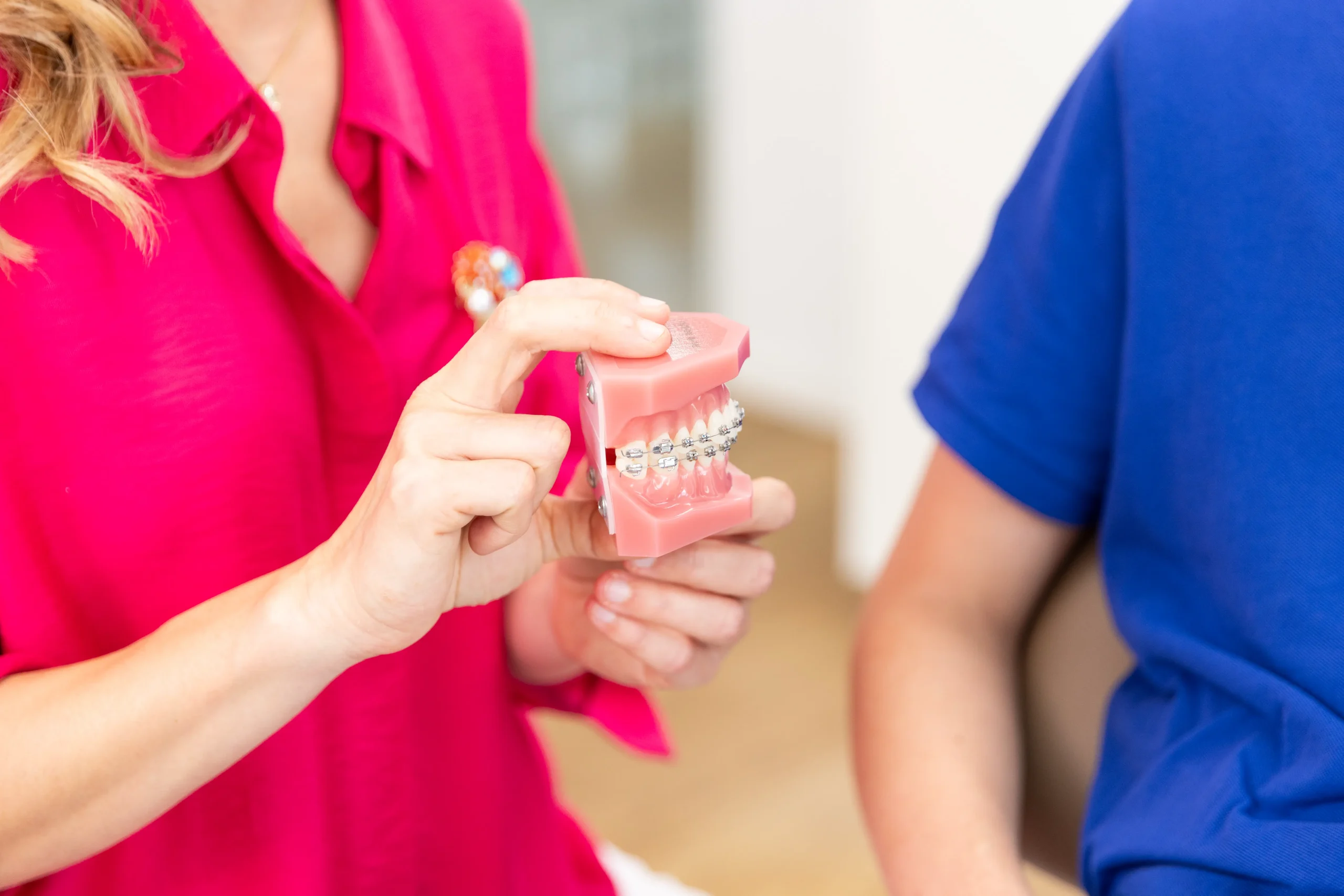
Fixed braces use brackets bonded to your teeth, connected by wires that apply gentle pressure over time. You can’t remove them, which makes them a consistent and reliable treatment option.
Five Easy Steps
Your Journey with Fixed Braces


Consultation & Plan
We’ll examine your smile, take scans, and explain your treatment path.



Planning and Explanation
We will create a personalized treatment plan for you, which we will explain to you in detail at an appointment outside of office hours.
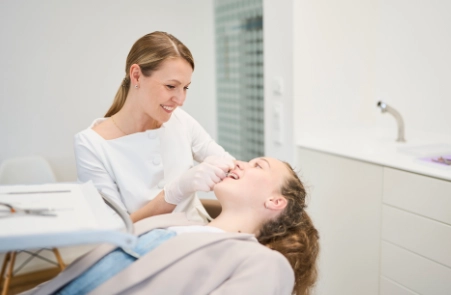

Brackets Applied
Brackets are attached to each tooth, and the first wire is placed.
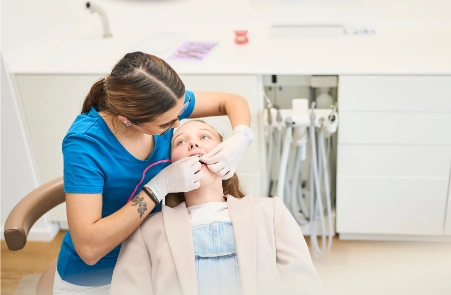

Regular Adjustments
Every few weeks, we tighten or change wires to keep progress moving.

Managing Discomfort
Schedule your initial visit todiscuss your concerns and goals. Mild soreness is normal—it’s a sign things are working. We’ll give tips to stay comfortable.


Your New Smile
Your new smile: braces removed ASAP, results stabilized with retainers or removable devices.

Our Features
Why Teens and Adults Trust Fixed Braces


Learn More
What Does KFO 360° Actually Mean?
Every smile is different — so is our care. From diagnostics to treatment, we use modern tools and a personal approach to make your orthodontic journey clear, comfortable, and tailored to you. Watch the video to see how we support patients at every step.
When Are Fixed Braces the Best Option?
If you want something that works 24/7 without needing to think about it, fixed braces are a smart and effective choice—especially for teens or complex needs.

For Younger Patients
Great for teens and younger patients who need reliable, full-time correction.

For Complex Jaw or Bite Issues
Fixed braces offer the control needed for bite alignment and jaw repositioning.

For Budget-Friendly Solutions
Often more cost-effective than other options, while still delivering strong results.
Bad Bite?
Before & After – See What’s Possible
SUB: See how visible braces build beautiful smiles—step by step.
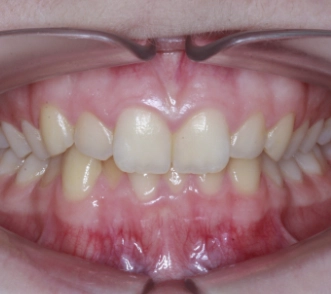
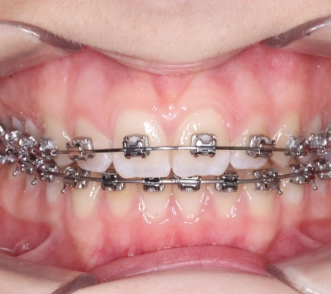
I can finally bite properly at the front. Before, I could only bite from the side. I'm so happy about that.

Treatment Duration
18 Months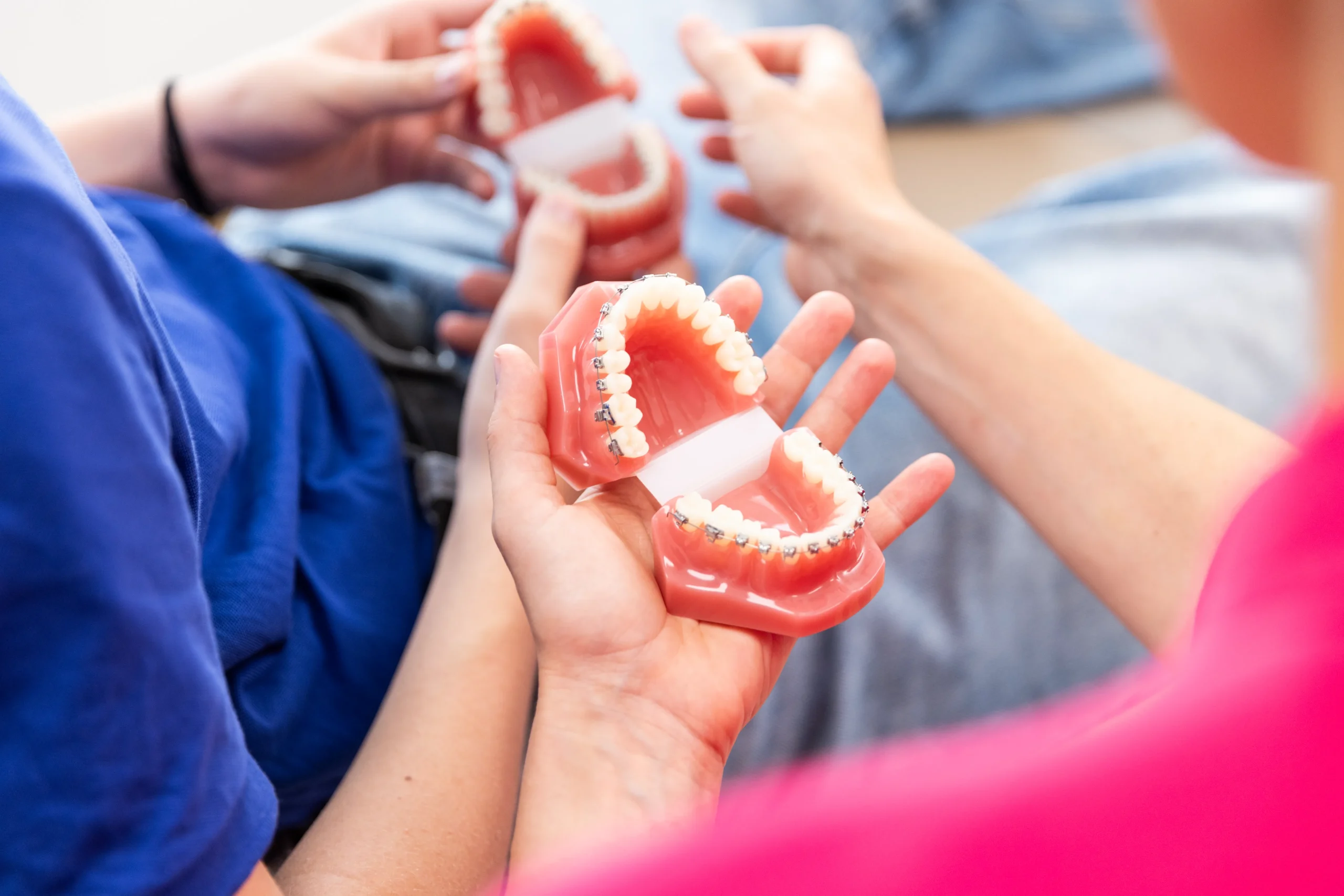
Care Tips for Fixed Braces

Daily Brushing & Flossing
It’s important to keep your teeth and braces clean. We’ll show you how.

Avoid Hard Foods
Hard foods like bread crusts and carrots may loosen brackets – cut small or avoid.

Handle Irritation
Wax to cover the pressure sore and mouthwash help if brackets rub against your cheeks early on.
Let’s Talk About Braces That Work
Book Appointment


Frequently Asked Questions
Your teeth hurt after getting your braces – is that normal?
A few days of mild pressure or aching after getting your braces or a new wire is completely normal. Your teeth are starting to move — that’s a good sign!
What helps:
– Eat soft foods such as soup, mashed potatoes, pasta, or yogurt.
– If necessary, you can take a mild pain reliever (please follow dosage instructions).
– The discomfort usually eases after 2–3 days.
If the pain stays strong or doesn’t improve, contact us — we’ll check if an adjustment is needed.
A rubber ring or wire ligature has come off – what should you do?
Don’t worry — this can happen and it’s not an emergency.
Call or email us so we can replace it soon. These small parts keep the wire in place and are important for your treatment progress.
If you’re away on vacation, let us know once you return — we’ll fix it quickly.
A bracket or metal band has come loose – what should you do?
Stay calm — that sometimes happens.
If the bracket or band is still attached to the wire, leave it as it is and don’t pull on it. If it rubs or irritates your cheek, cover it with a small piece of orthodontic wax.
Schedule an appointment soon so we can refix it properly.
The appliance on the palate has come loose – what now?
Appliances such as expanders, trans-palatal arches, or pendulum devices can loosen occasionally.
It’s not an emergency, but it should be checked soon.
Please:
– Do not try to remove or move it yourself.
– If it rubs, cover the spot with wax.
Call us for a quick appointment — the sooner we re-cement it, the smoother your treatment continues.
A wire is poking your cheek – what should you do?
If a wire end sticks out or scratches your cheek, that’s uncomfortable but easy to fix.
You can:
– Cover the sharp end with wax (or sugar-free gum temporarily).
– If a thin ligature wire pokes out, you may gently press it back with a clean fingernail.
Then contact us so we can shorten or reposition the wire properly.
The wire has slipped or moved – what should you do?
If a thin wire has slipped out of the last bracket, try carefully to guide it back in with clean fingers or a disinfected tweezer.
If it doesn’t go back or keeps irritating your cheek, cover it with wax and contact us for a short SOS-appointment.
You’re getting small gaps between your teeth – is that normal?
Yes! Small gaps can appear temporarily, especially at the beginning of treatment.
They’re part of the planned tooth movement and will close again later.
If you’re unsure, send us a quick photo or come in — we’ll explain what’s happening.
You bite on your ceramic brackets – what should you do?
Ceramic is very hard and can wear down enamel over time. If your opposing teeth touch the brackets when biting, please book a check-up so we can adjust or protect them.
The headgear (external bow) is uncomfortable – what helps?
Wearing a headgear can feel strange at first or cause pressure marks. Make sure it sits correctly and don’t change the setting yourself.
If it presses or causes pain, stop wearing it temporarily and contact us — we’ll adjust it for comfort and proper function.
How long does my child have to wear fixed braces?
That depends on the complexity of the case — usually from several months up to 2–3 years.
During this time, excellent oral hygiene is essential to avoid white or brown decalcification spots.
We also recommend regular dental check-ups twice a year during treatment.


