
Flexible. Gentle. Easy to Use.
Often used for early treatment in children or for minor corrections, they’re easy to wear and take out—ideal for growing smiles or low-complexity needs.

Removable braces are tailored, gentle, and effective. They create space or support jaw growth, can be easily removed for cleaning or special occasions, offering comfort and flexibility.
Seven Easy Steps
Your Journey with Removable Braces


Initial Consultation
We listen to your needs and examine your entire masticatory system using our holistic KFO360 concept.



Initial Records
In a child-friendly atmosphere, we playfully take impressions of the teeth, X-rays, and photos, which we then evaluate from our holistic perspective. For us, achieving balance in the entire masticatory system is just as important as straight teeth.


Consultation
We take plenty of time to clearly and understandably explain our holistic treatment concept. We also present suitable treatment alternatives and place great importance on ensuring that you understand the reasons behind our approach and the benefits of the therapy. This way, you can make every decision with confidence and fully stand behind your treatment.


Brace Fitting
Once it’s ready, we make sure it fits comfortably and show you how to use it properly.


Routine Wear
You’ll wear the brace as recommended—often 14 to 16 hours per day, or only at night.


Check-ins & Adjustments
We’ll regularly check your progress and make any needed adjustments.


Retention or Transition
After achieving your goals, we guide you to celebrate, transition, or take a short break for optimal, lasting results.

Our Features
Why Our Patients Prefer Removable Braces


Learn More
What Does KFO 360° Actually Mean?
Every smile is different — so is our care. From diagnostics to treatment, we use modern tools and a personal approach to make your orthodontic journey clear, comfortable, and tailored to you. Watch the video to see how we support patients at every step.
Is a Removable Brace Right for You or Your Child?
If you’re looking for a part-time solution or have minor tooth misalignment, removable braces can be a smart choice.

For Growing Smiles
Perfect for kids in early development who need gentle correction without full braces.

For Minor Adjustments
Ideal if you only need slight tooth movement or have already completed fixed braces.

As a Pre-Treatment Phase
Used to prep teeth or jaw position before future orthodontics.
Bad Bite?
Before & After – Real Results with Removable Braces
See how removable braces help shift teeth gently over time—real results, real stories.
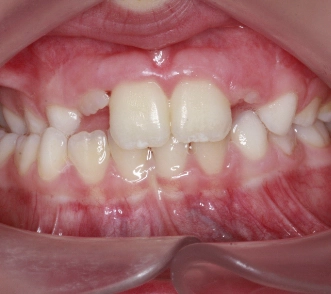
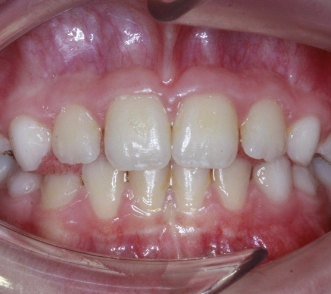
My daughter has no more headaches since the cross bite is corrected. It was a good decision to start with the orthondontic treatment.

Treatment Duration
18 months Treatment Duration
18 months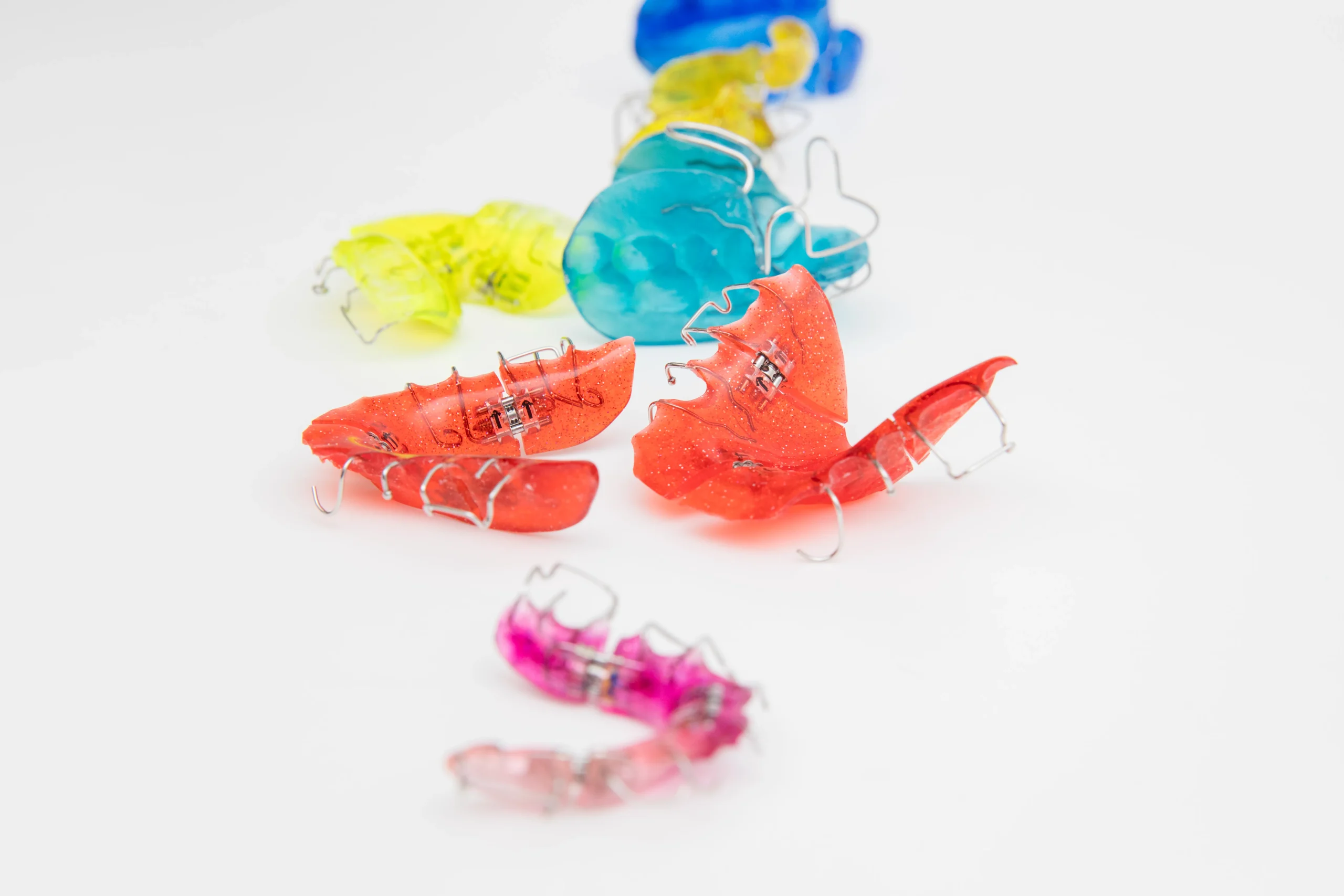
Care Tips for Removable Braces
-

Daily Cleaning
Clean your appliance daily with a toothbrush. Use tablets or citric acid for buildup, then rinse before reinserting.
-

Store Safely
Keep in the case when not wearing it to avoid damage or loss.
Take the First Step Toward a Healthier Smile
Book Appointment


Frequently Asked Questions
Your removable brace is pressing – what should you do?
If your removable brace feels uncomfortable or presses, please check carefully where the pressure occurs.
Does the brace press on your teeth?
At each check-up, we adjust the wires to ensure the brace fits snugly. Sometimes, the pressure feels too strong at home — that means the wire needs another small adjustment.
Please schedule an appointment and do not wear the brace until we’ve checked it.
Does the brace press on your gums?
Sometimes a wire can bend slightly or the acrylic plate itself can rub the gums. This can quickly create pressure sores.
In that case, we’ll smooth or adjust the brace and apply a healing ointment.
Please stop wearing it and book an appointment.
Does the brace wobble and press at the same time?
That usually means it was turned too often compared to the wearing time — in short: too much activation, too little wearing. You can try to improve the fit by turning it back 3–4 times, then test again. If it still doesn’t sit properly, please come in — we’ll correct it together.
The brace is damaged — what should you do?
If your removable brace gets damaged, what you should do depends on the kind of problem you notice:
If a wire is bent or loose and it hurts, stop wearing the brace and schedule an appointment so we can fix it.
If a wire is loose but doesn’t cause any pain, you can continue wearing it until your next visit — we’ll check it then.
If a wire has broken and feels sharp, don’t wear the brace and contact us for an appointment.
If a wire has broken but doesn’t hurt, it’s okay to keep wearing the brace until your next check-up.
If the brace feels loose or keeps falling out, please schedule an appointment — we’ll adjust it to fit securely again.
If the acrylic plate is broken and has sharp edges, stop wearing it right away and book an appointment.
If the acrylic plate is cracked but smooth and painless, you can keep wearing it for now, but if the break grows larger or it starts to bother you, please call us.
If the brace wobbles or doesn’t fit anymore, turn it back three times (using the activation key) and try again. If it still doesn’t fit properly, come in for an adjustment.
If the brace just feels uncomfortable overall, take it out and book a visit.
If the brace has broken completely in two pieces, stop wearing it and contact us immediately — we’ll make a replacement.
Our tip:
Don’t hesitate to contact us if something feels off! We’ll repair or adjust it quickly so you can wear your brace comfortably again — and your treatment stays on track.
How can I avoid damage to my brace?
– Always insert and remove your brace carefully.
– Take it out during sports or meals.
– Store it in its protective box when not wearing it.
– Clean it regularly and gently (no hot water!).
These simple steps help keep your brace safe and effective.
The brace feels loose and doesn’t fit anymore.
If your removable brace doesn’t fit properly or wobbles, it usually means it’s been worn too little.
What you can do:
– Turn the screw back 3 turns.
– Insert the brace again and check if it fits better.
If it’s still loose or uncomfortable, please don’t keep adjusting it — come to us so we can refit it precisely.
Often, the brace was turned (activated) regularly, but not worn enough — so the jaw didn’t adapt to the change.
Does wearing a removable brace hurt?
No — it shouldn’t hurt. After an adjustment or when the screw has been turned, you might feel a slight to moderate pressure for a day or two. That’s normal and shows the brace is working.
If you feel strong or lasting pain, please stop wearing it and contact us. The wire or acrylic might need adjustment, or a tooth could be sensitive.
You have tooth pain when wearing your brace – what should you do?
Mild pressure is normal for 1–3 days after adjustments.
If the pain becomes strong, lasts longer, or appears suddenly, this can mean:
– A wire presses too hard,
– The brace no longer fits properly,
– A pressure sore has developed, or
– A tooth is irritated.
Please contact us quickly if:
– Pain lasts longer than 3 days,
– It’s severe or disturbing your sleep,
– You can’t wear the brace at all, or
– There’s swelling or bleeding.
We’ll check the fit, adjust the brace, and make sure everything is comfortable again.
The brace keeps falling out at night – what should you do?
If your brace slips out of your mouth at night, it means it no longer fits properly. This is not ideal, because the constant pressure on the teeth is missing — and the treatment slows down or even stops.
Please book a short check-up. We’ll correct the fit so the brace stays in place while you sleep.
How long does my child need to wear a removable brace?
The wearing time depends on the type of misalignment and the treatment plan.
In the active treatment phase, the brace should be worn at least 14–16 hours a day — not just at night.
This phase usually lasts about 12–18 months. After that, we often recommend continuing to wear it at night for a while as a stabilizing phase.
The brace is lost – what should we do?
If the brace can’t be found after searching, please contact us immediately.
We’ll arrange for a replacement so that treatment doesn’t get delayed.
How do I turn (activate) the screw in my brace correctly?
Use the activation key that comes with your brace. Insert it into the visible hole and turn in the direction of the arrow until you reach the stop. Never force it further.


