
Optimal for the jaw joints: harmonizing, regenerative, and stabilizing
Many people suffer for years from an imbalance within the masticatory system and an incorrect jaw joint position without realizing that their symptoms — such as frequent headaches, tinnitus, neck and shoulder tension, teeth grinding, and many others — are actually caused by this condition. Only a small number of specialists are able to diagnose and treat this disorder, known as craniomandibular dysfunction (CMD).

A MAGO functional splint supports the rehabilitation and harmonization of the entire masticatory system.
In many cases, tooth alignment does not correspond harmoniously with the position of the jaw joints or the function of the tongue and chewing muscles. This imbalance can lead to a wide range of symptoms throughout the body.
Nine Steps
Your Path to Splint Therapy: Holistic Assessment from Head to Toe


Head and Oral Examination
During the clinical examination, we assess far more than just tooth alignment. We carefully evaluate your bite, tongue posture, and tongue function, as well as muscular tension in the jaw, head, neck, and shoulder region. In addition, we analyze the arc of closure of your jaw joints to identify any premature tooth contacts that may disturb healthy jaw function. We also examine the teeth and supporting structures for signs of gum recession, tooth wear (abrasions), periodontal issues, and bone loss. This comprehensive evaluation allows us to detect functional imbalances early and create a treatment plan that supports long-term oral health and overall well-being.

20-30 minutes
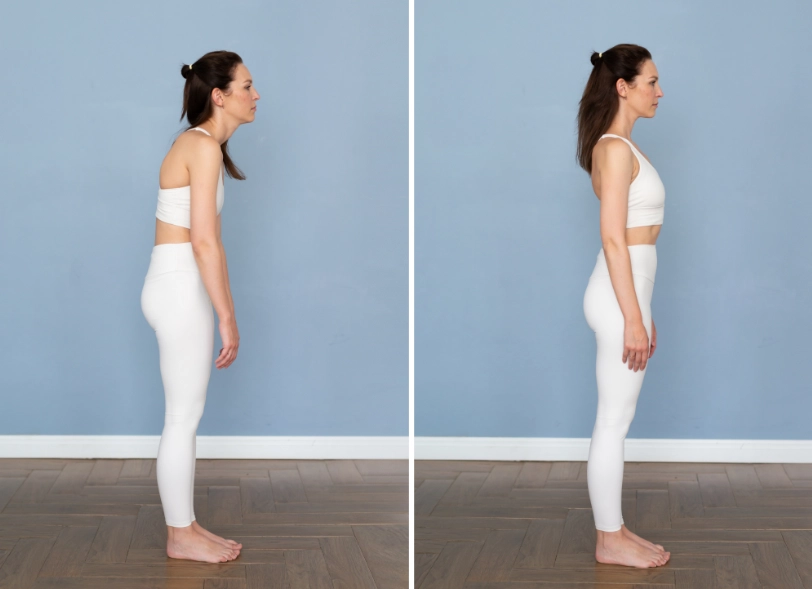

Full-Body Analysis
The body functions as an integrated system - a disturbed bite can affect overall posture and musculoskeletal balance. As part of our full-body analysis, we assess head, shoulder and pelvic posture, leg axes and foot position. A pelvic tilt can be caused by a inbalanced bite. In addition, we perform an osteopathic cranial screening to identify tension in the cranial and jaw regions that may affect jaw joint function.
20-60 mintues


Comprehensive Medical History (Anamnesis)
Every patient has a unique health history, and jaw joint complaints are often influenced by more than just the bite.<br /> During a detailed consultation, we assess previous medical conditions, symptoms in the jaw, head, neck, or shoulder region, difficulties with speaking, swallowing, or breathing and family medical history. This allows us to gain a complete understanding of your situation and forms the foundation for an individualized CMD treatment plan. The mobility of the lower jaw and the function of the chewing muscles are important for us. Special attention is given to myofunctional abnormalities, which are often the underlying cause of jaw misalignments, CMD symptoms, and joint overload.
30-60 minutes
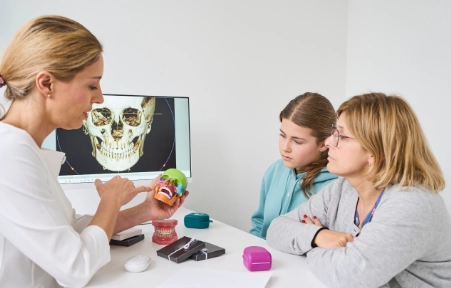

Treating the Cause, Not Just the Symptoms
Tooth misalignments, jaw joint pain, or muscular tension are often symptoms rather than the root cause.<br /> Our goal is to identify and address the underlying factors, such as incorrect tongue posture, chronic mouth breathing, excessive load on the jaw joints, unfavorable bite contacts. Only a cause-oriented approach can achieve long-term, stable, and sustainable results.
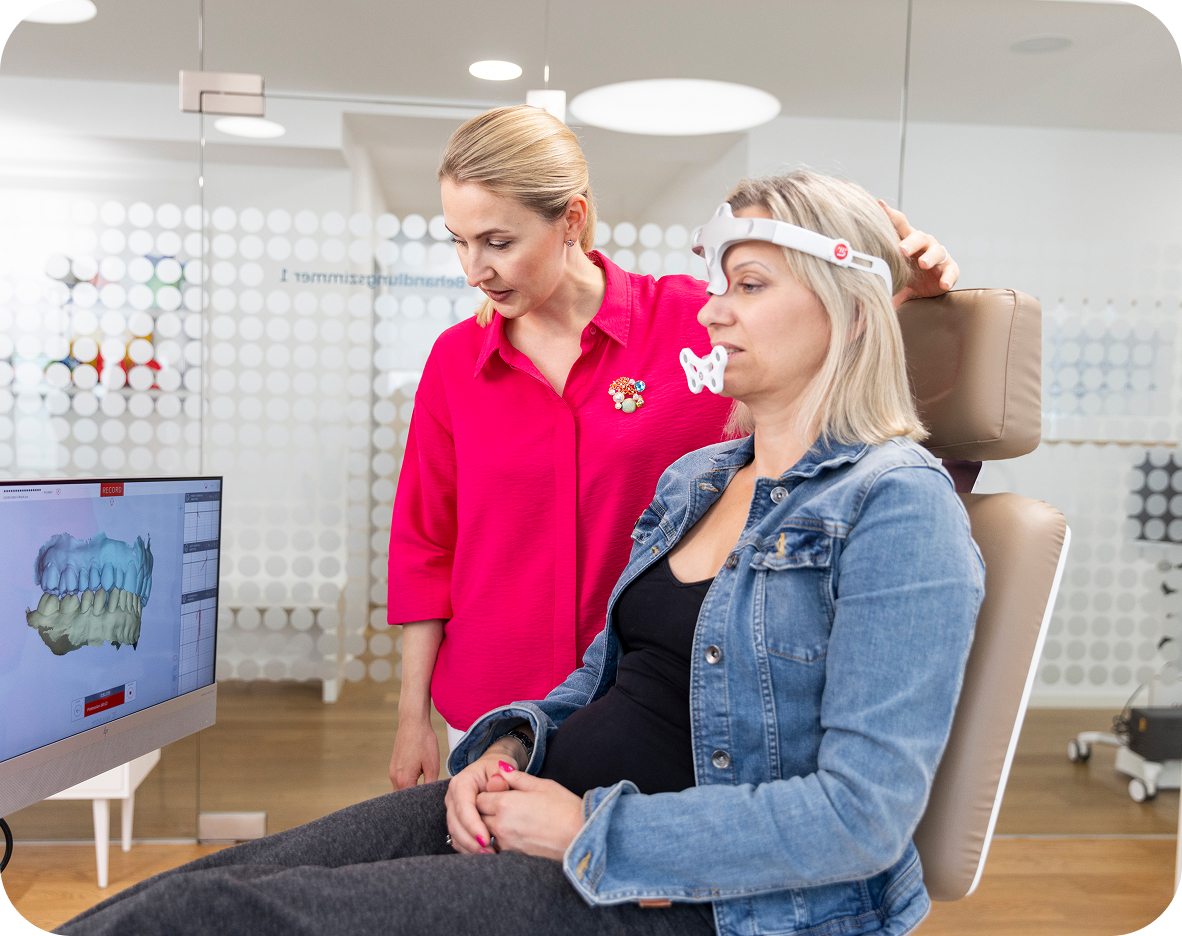

Advanced Diagnostics According to the KFO360° Concept
For precise planning of splint therapy, additional diagnostics may be performed, including digital measurement of mandibular movements, functional analysis of the masticatory system and 3D assessment of the jaw joints. These advanced digital tools provide valuable insights into your individual jaw joint function and are a core element of the KFO360° concept.
60 min
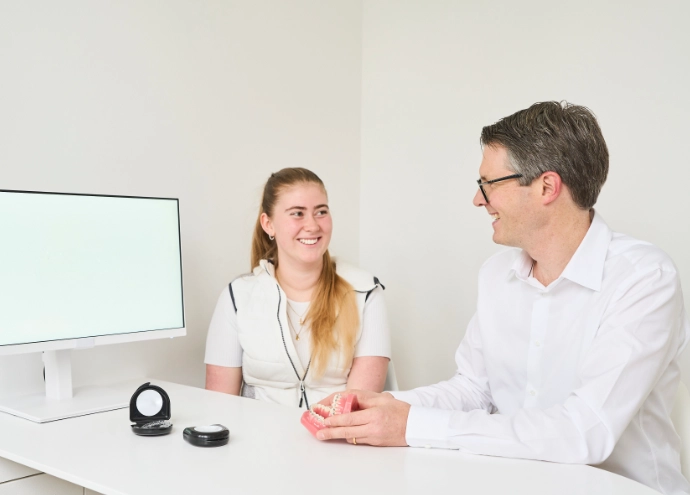

Individual Treatment Planning & Patient Education
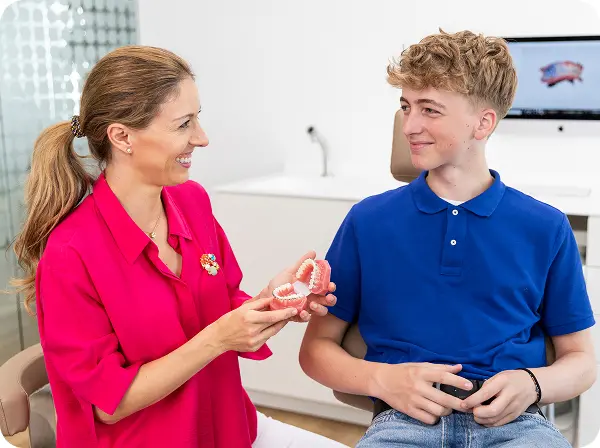
If diagnostics confirm CMD and indicate that a MAGO functional splint is appropriate, we thoroughly discuss with you your diagnosis, how the splint works, recommended wearing protocol and the individual treatment process. You will receive a transparent cost estimate and ample time to ask questions.
30-60 min

Fitting of the MAGO Functional Splint
The MAGO functional splint is precisely calculated and designed based on your digitally recorded mandibular movements.<br /> Within 1 till 2 weeks, the splint is manufactured. At delivery, you will receive detailed instructions for use and care and personalized guidance for the adaptation phase. Depending on findings, we may recommend supportive therapies such as osteopathy.
30-60 min

Ongoing Therapy & Regular Follow-Ups
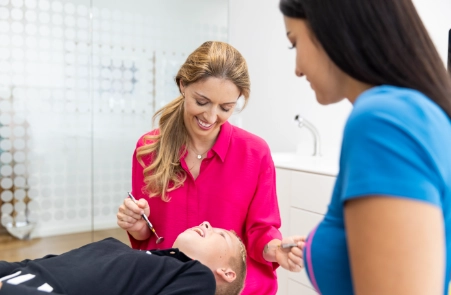
Throughout treatment, regular follow-up appointments are scheduled to monitor the effect of the splint, make necessary adjustments and accompany muscular and functional changes. Close monitoring is essential for long-term success.
30-45 min

Final Diagnostics & Completion Assessment
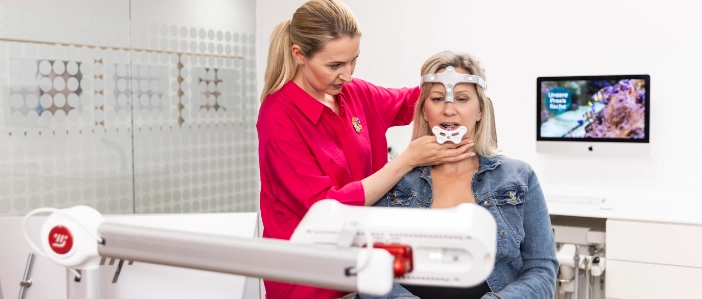
At the conclusion of splint therapy, we perform a final evaluation including reassessment of jaw joint position and repeat full-body posture analysis. This ensures that treatment has been successful not only locally in the jaw, but holistically throughout the body.
30-60 min
CMD Therapy
Why Splint Therapy Makes Sense


Learn More
What does KFO 360° Actually Mean?
Every smile is different — so is our care. From diagnostics to treatment, we use modern tools and a personal approach to make your orthodontic journey clear, comfortable, and tailored to you. Watch the video to see how we support patients at every step.
What Do Splints Achieve?
Many people live for decades with an imbalance between teeth, musculature, and jaw joints, believing they must simply endure their symptoms.

Body Balance
restore overall body balance disrupted by an incorrect bite

Arthrosis & Inflammation
stop arthrosis and inflammatory processes in the jaw joint

Masticatory System
harmonize the entire masticatory system
Bad Bite?
Before & After With a Voice
See how lingual braces made a difference—in looks and confidence
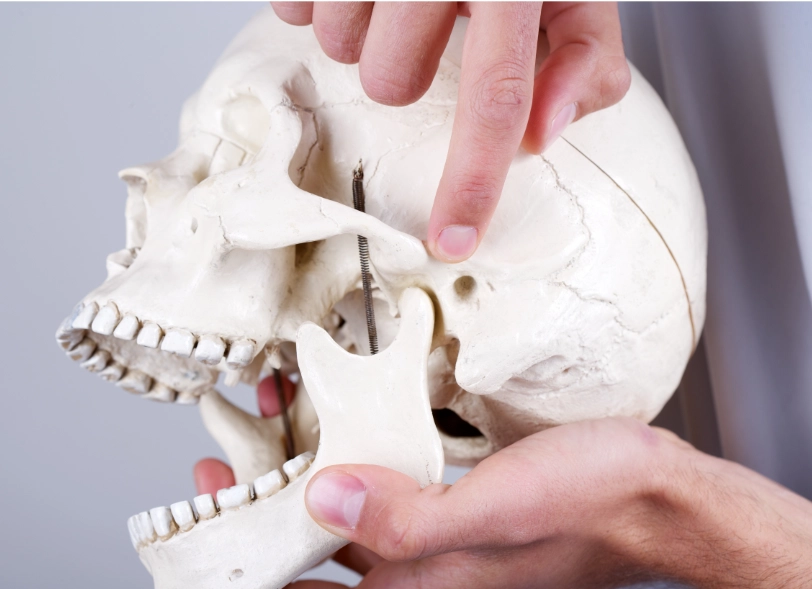

I was in such severe pain that I could no longer eat normally and could only mash soft toast bread with my tongue. Within just a few weeks of splint therapy, I was able to eat normally again. My quality of life has returned.

Treatment Duration
5 months confidence
100% 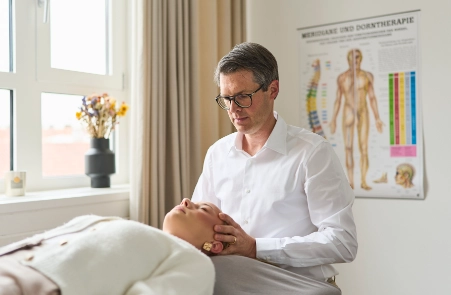
Care and Maintenance Tips
-

Daily Cleaning Routine
Rinse the splint with water after each removal and store it in a protective case
-

Intensive Cleaning
Clean at least once daily with a firm toothbrush
-

Tricks for deposits
If deposits cannot be removed with brushing, perform a deep cleaning as instructed
Ready to explore a splint therapy?
Book Appointment


Frequently Asked Questions
Why is the bite so important?
An incorrect bite can cause far more than just misaligned teeth. It can affect the jaw joints, body posture, and even contribute to other health issues such as muscle tension and headaches.
We help you understand these connections and treat them in a targeted and holistic way.
What does a splint do?
A splint decouples the bite from the musculature and the jaw joints. Through regular and highly precise adjustments, improperly positioned jaw joints can gradually return to a more favorable position, allowing tense muscles in the masticatory system as well as the neck and shoulder area to relax.
This leads to a harmonization of the entire masticatory system and overall body posture. Existing imbalances such as uneven shoulders or pelvis alignment, foot positioning issues, and head posture problems can be improved and remain stable in the long term — because the root cause of the problem is addressed, not just the symptoms.
Can I eat normally with a splint?
Yes, though we’ll recommend skipping super hard or sticky foods. You’ll get used to what works best for you quickly.
Why is osteopathic treatment recommended?
Splint therapy is often significantly more effective and faster when combined with osteopathic treatment. Ideally, osteopathic therapy should take place on the same day, immediately before the splint adjustment appointment. The splint is then precisely adjusted afterward.
This coordinated approach ensures the maximum therapeutic effect, as muscular and structural tensions are first released, allowing the splint to position the jaw joints in the most optimal and stable way.


